Investment
$149-$199
Starting range before final treatment fit review.
Medical Wellness
Hormone therapy conversations begin with symptoms, history, labs, and provider review.
Booking path
Direct service booking
This page uses a verified Mangomint service link.
Investment
$149-$199
Source-backed pricing appears where available; final plan depends on treatment fit.
Trust
Patient rating: 4.9 from 127 reviews across platforms
Live Google trust data is shown only after the aggregate source returns status ok.
Care model
Provider-guided
For clients exploring hormone-related wellness concerns through a medical consultation path.
What happens after you book
Mangomint opens the verified treatment booking path. Your team will still confirm suitability, timing, and the best plan for your goals.
Best For
For clients exploring hormone-related wellness concerns through a medical consultation path.
Treatment Snapshot
This snapshot turns the service page into a decision surface: price, time, sessions, fit, recovery, financing, and booking route stay visible before the long-form education begins.
Investment
$149-$199
Starting range before final treatment fit review.
Visit time
30 min
Typical appointment timing from the service catalog.
Plan shape
1 session
Single visit or series depends on your goal and response.
Treatment area
Treatment-area dependent
Your provider confirms the precise area before treatment.
Best fit
For clients exploring hormone-related wellness concerns through a medical consultation path.
Good candidacy is confirmed through consultation.
Downtime
Reviewed during consultation
Recovery expectations vary by protocol and skin history.
Financing
Available on eligible plans
Payment options are reviewed before final commitment.
Booking path
Direct booking
Verified service link opens the closest Mangomint path.
About This Treatment
Consultation note
Designed to support a structured discussion about symptoms, eligibility, monitoring, and safety. Treatment suitability depends on individual factors.
Reviewed by our medical team
This page was reviewed on April 18, 2026 by Dr. Alexander Landfield, Licensed Physician. The notes below cover what is specific to this clinic, getting here, safety screening, and what happens when you book.
The Process
Your hormone therapy journey begins with an in-depth medical consultation where your clinician reviews your symptoms, health history, family history, lifestyle, and goals. We conduct a thorough discussion of your current symptoms - fatigue, weight changes, mood, libido, sleep, cognitive function, and more - to understand the full clinical picture. This consultation typically lasts 45-60 minutes.
We draw comprehensive hormone panels right here in our clinic. For women, this typically includes estradiol, progesterone, total and free testosterone, DHEA-S, thyroid panel (TSH, free T3, free T4), FSH, LH, and metabolic markers. For men, the panel includes total and free testosterone, estradiol, SHBG, DHEA-S, PSA, thyroid panel, CBC, and metabolic markers. These labs provide an objective baseline for your hormonal status and screen for any contraindications. Results are reviewed through the clinical workflow.
Based on your symptoms, lab results, and goals, a customized hormone therapy protocol is designed. This may include bioidentical testosterone (for both men and women), estrogen, progesterone, DHEA, thyroid support, or a combination. We discuss the available delivery methods - including creams, injections, pellets, patches, and oral formulations - and select the method that best fits your lifestyle and clinical needs. Dosing is conservative initially, with planned dose optimization based on follow-up labs and symptom response.
You begin your hormone protocol with thorough education on proper administration, expected timeline for improvement, potential side effects to monitor, and when to contact our clinic. If your protocol includes injectable testosterone, our team provides hands-on injection training. We ensure you feel confident and informed before leaving the clinic.
Follow-up blood work is performed at 6-8 weeks after initiation, then every 3-6 months during the first year, and at least every 6 months thereafter. At each follow-up, your clinician reviews updated labs, assesses symptom improvement, and adjusts dosing as needed. The Rani Hormone Protocol is an ongoing partnership between you and our medical team - we optimize your protocol over time based on your body's response, not just a single lab snapshot.
Your Experience
Before your initial consultation, gather your medical records, current medication and supplement list, and any previous hormone lab results if available. Plan to fast for 10-12 hours before your blood draw, and schedule your appointment for the morning when possible - testosterone and cortisol levels are highest in the morning, providing the most clinically useful baseline measurements. Your initial visit will take approximately 60-90 minutes including the consultation, blood draw, and education. Wear comfortable clothing with sleeves that can be rolled up easily for the blood draw.
Once your protocol is established, the day-to-day experience depends on your prescribed delivery method. Topical creams are applied daily to designated areas of skin. Injectable testosterone is typically administered every 1-2 weeks (self-administered at home after training or administered at the clinic). Pellet therapy involves a minor in-office procedure every 3-6 months. Patches are applied and changed on a set schedule. Your clinician will explain the specific instructions for your prescribed method. Follow-up visits are typically 20-30 minutes and include a symptom review and blood draw when scheduled.
Hormone therapy results develop gradually. Some patients notice initial improvements in energy, mood, and sleep within the first 2-4 weeks. Other changes - including body composition, libido, cognitive clarity, and vasomotor symptoms such as hot flashes or night sweats - may take longer and depend on the individual. Full optimization often takes 3-6 months of careful dose adjustments based on labs and symptom response. Side effects, if they occur, are reviewed and managed with your clinician. Your medical team is available between visits for any questions or concerns.
Suitability, timing, and response vary. Provider review is required before recommendations are made.
What you can verify
A medical-aesthetic decision deserves specifics. Everything below is verifiable before you ever step into the clinic.
Reviews
Patient rating: 4.9 from 127 reviews across platforms
Patient rating: 4.9 from 127 reviews across platforms
Medical oversight
Licensed Physician
Supervised by Dr. Alexander Landfield.
Results proof
Photos under review
Photos appear only when release and review status allow publication.
Privacy
Protected intake
Treatment details and personal information are not shown publicly.
Clinical review
April 18, 2026
This service has provider-reviewed page notes.
Expectation control
Results vary
Claims stay conservative until your provider reviews fit and timing.
Before You Decide
Short, direct answers to the practical questions most patients ask first.
Your provider reviews medications, skin history, contraindications, and treatment timing before care begins.
Current page estimate: $149-$199. Final pricing is confirmed after fit, area, and plan review.
Typical plan shape: 1 session. Some goals need a series and some are single-visit.
Typical appointment timing: 30 min. Your exact window is shown in booking.
Recovery expectation: Reviewed during consultation. Your provider confirms prep and aftercare.
For clients exploring hormone-related wellness concerns through a medical consultation path.
Medical Review & Disclosure
This page is educational and does not replace individualized medical diagnosis, treatment, or emergency care. Every injectable, device, and wellness protocol at Rani Beauty Clinic is delivered under physician supervision and requires clinical screening for candidacy and safety.
Last medically reviewed: April 18, 2026 by Dr. Alexander Landfield, Licensed Physician.
The Rani Advantage
The Rani Hormone Protocol reflects our commitment to doing hormone therapy the right way - with comprehensive evaluation, in-house blood work, documented protocols, and ongoing monitoring. Each hormone protocol is designed with clinical rigor and personalized to the individual patient. We perform blood work in-house for convenience and review results through the clinical workflow. We offer bioidentical hormone options and take a holistic approach that evaluates the entire hormonal ecosystem - not just one isolated number. Our regular monitoring schedule is designed to support long-term safety and optimization. We are not a prescribe-and-forget clinic - The Rani Hormone Protocol is an ongoing medical partnership dedicated to your hormonal health and overall vitality.
Investment
Hormone Therapy pricing ranges from $149-$199 depending on the treatment area, protocol, and plan reviewed during your consultation.
Verified Photos
Patient privacy comes first. We only show before-and-after photos after written permission and clinical review. Individual results vary. Before-and-after examples are shown only when photo release and clinical review requirements are complete.
Common Questions
Not always. Your provider may recommend history review, labs, or additional evaluation before deciding whether hormone therapy is appropriate.
No. Suitability depends on symptoms, medical history, risk factors, labs, and provider review.
Your visit begins the provider-led evaluation process. The team will explain next steps, monitoring, and whether a treatment plan is appropriate.
Yes. Response and suitability vary by individual factors and ongoing monitoring.
Services may be sequenced when appropriate. Your provider will guide suitability and timing.
Read It First
Clinical education to help you compare options, prepare for consultation, and set expectations before booking your treatment.
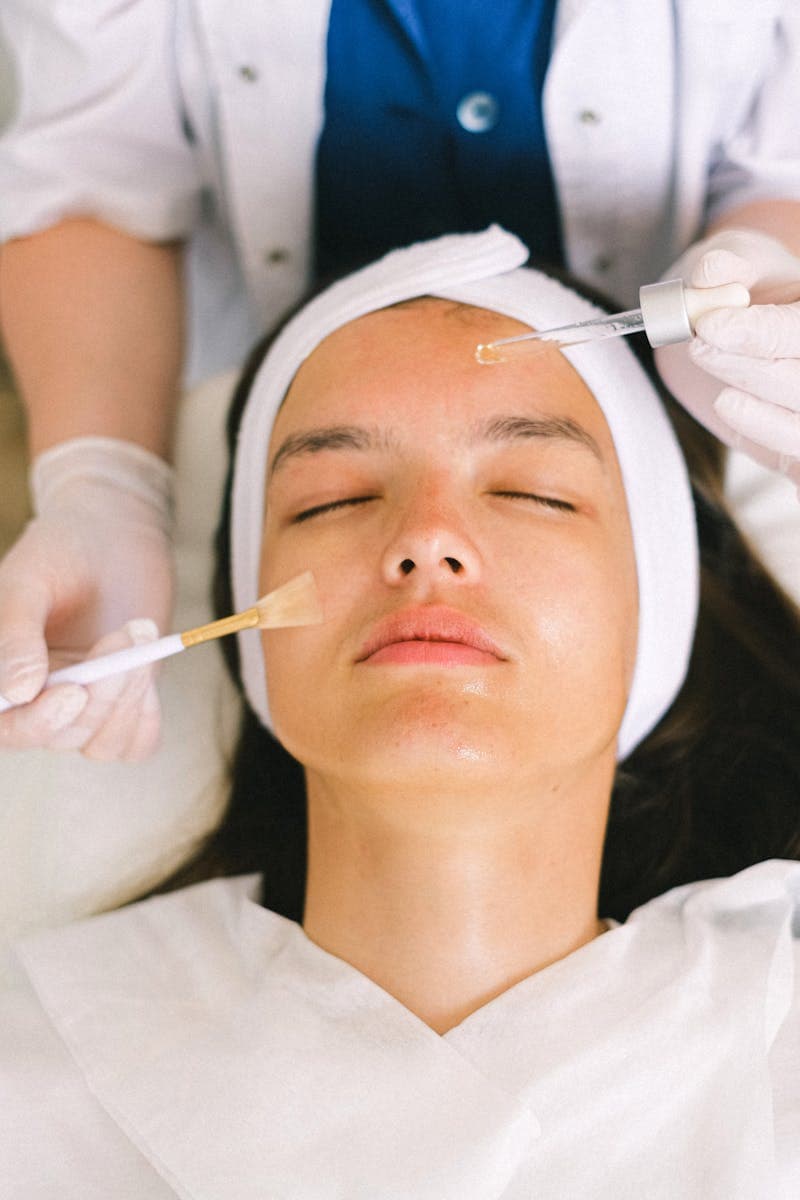
How estrogen, progesterone, testosterone, and thyroid hormones shape your skin quality throughout life.
Lab work is the foundation of personalized medicine. Here is how to understand the tests and what your results mean for your health.
Your hormones influence everything from your weight to your skin to your mood. Here is a comprehensive guide to understanding and optimizing hormonal health.
You May Also Like
Plan Your Treatment
Compare options, prepare for your visit, and find treatment pages for nearby Eastside and South King County communities.
Call (425) 539-4440 or book online to discuss your visit. Mangomint shows any card-on-file or prepayment requirement before you confirm.
LEARN MORE
Hormone therapy is surrounded by outdated fears and misinformation. Here is what current science actually shows.
What bioidentical hormones are, how they differ from synthetic hormones, and why many physicians and patients prefer them for hormone therapy.
How red light therapy supports skin health, healing, and cellular energy.