Dr. Alexander Landfield
Board-Certified Neurologist & Medical Director
Nicotinamide adenine dinucleotide, commonly known as NAD+, is one of the most fundamental molecules in human biology. Present in every living cell, NAD+ serves as a critical coenzyme in hundreds of metabolic reactions that keep your body functioning at every level, from energy production and DNA repair to cellular communication and immune regulation. In recent years, NAD+ has attracted significant attention from the scientific and medical communities, particularly in the fields of aging research and neuroscience, for its potential role in supporting brain health, cognitive function, and neuroprotection.
At Rani Beauty Clinic in Renton, WA, we offer NAD+ injections as part of our comprehensive medical wellness program, under the supervision of Dr. Alexander Landfield, our board-certified neurologist and medical director. Dr. Landfield's specialized training in neuroscience provides a unique perspective on how NAD+ therapy may support brain health, and his clinical oversight ensures that each patient receives this treatment safely and appropriately. In this article, we will explore the science behind NAD+, why it declines with age, what the current research suggests about its effects on the brain, and what you can expect from NAD+ injections.
Understanding NAD+ at the Cellular Level
NAD+ is a coenzyme, meaning it works alongside enzymes to facilitate chemical reactions within cells. Its most essential role is in cellular energy production. Inside the mitochondria, the powerhouses of your cells, NAD+ participates in the electron transport chain and the citric acid cycle (also known as the Krebs cycle), two interconnected metabolic pathways that convert the food you eat into adenosine triphosphate (ATP), the molecular currency of cellular energy. Without adequate NAD+, your cells simply cannot produce energy efficiently, and when cellular energy production falters, every system in your body feels the impact.
Beyond energy production, NAD+ plays a critical role in several other cellular processes. It serves as a substrate for a family of enzymes called sirtuins (SIRT1 through SIRT7), which are often referred to as longevity genes. Sirtuins regulate a wide range of cellular functions, including DNA repair, gene expression, inflammation, stress resistance, and mitochondrial function. When sirtuins are activated, they help maintain cellular integrity and resilience. When NAD+ levels are low, sirtuin activity decreases, and the cellular maintenance and repair processes they govern begin to deteriorate.
NAD+ is also consumed by another important family of enzymes called poly(ADP-ribose) polymerases, or PARPs. PARPs are critical for DNA repair. When your DNA sustains damage from oxidative stress, UV radiation, or other environmental factors, PARPs use NAD+ to repair the damage and maintain genomic stability. The competing demand for NAD+ between sirtuins and PARPs is one reason why maintaining adequate NAD+ levels is so important for overall cellular health, as a deficiency in this coenzyme compromises both repair pathways simultaneously.
Why NAD+ Declines with Age
One of the most well-documented findings in aging research is that NAD+ levels decline significantly as we get older. Studies have shown that by middle age, NAD+ levels can decrease by as much as 50 percent compared to younger adults. This decline is attributed to several factors working in concert.
First, the expression of CD38, an enzyme that breaks down NAD+, increases with age. As CD38 activity rises, NAD+ is consumed at a faster rate, depleting cellular reserves. Second, chronic low-grade inflammation, which is characteristic of aging and is sometimes referred to as inflammaging, further drives NAD+ consumption through increased PARP activation in response to inflammatory damage. Third, the biosynthetic pathways that produce NAD+ in the body may become less efficient with age, reducing the rate at which NAD+ is replenished.
The downstream consequences of declining NAD+ levels are broad and significant. Reduced cellular energy production can manifest as fatigue, decreased physical stamina, and slower recovery from exertion. Diminished sirtuin activity is associated with increased susceptibility to age-related diseases, impaired stress resilience, and accelerated cellular aging. Compromised DNA repair capacity increases the accumulation of genetic damage over time, which is a hallmark of the aging process at the molecular level.
NAD+ and Brain Health: What the Research Shows
The brain is one of the most metabolically active organs in the body, consuming approximately 20 percent of the body's total energy despite accounting for only about 2 percent of body weight. This extraordinary energy demand makes the brain particularly vulnerable to declines in NAD+ availability and mitochondrial function.
Emerging research from preclinical studies has demonstrated that NAD+ plays several important roles in brain health and neurological function. In animal models, boosting NAD+ levels has been shown to improve mitochondrial function in neurons, enhance synaptic plasticity (the brain's ability to form and strengthen connections between neurons), reduce neuroinflammation, and protect against neurodegenerative changes. While human clinical research is still in its earlier stages, these preclinical findings have generated considerable interest in NAD+ as a potential tool for supporting cognitive health and neuroprotection.
One area of particular interest is the relationship between NAD+ and neuroinflammation. Chronic neuroinflammation is increasingly recognized as a contributing factor in cognitive decline and neurodegenerative conditions. NAD+-dependent sirtuins, particularly SIRT1 and SIRT3, have been shown to exert anti-inflammatory effects in the brain by regulating inflammatory signaling pathways and promoting mitochondrial health in microglial cells, the brain's resident immune cells. By supporting sirtuin activity through NAD+ replenishment, there is a theoretical basis for reducing the chronic neuroinflammation that contributes to age-related cognitive changes.
Another relevant area is oxidative stress in the brain. Neurons are highly susceptible to oxidative damage due to their high metabolic rate and relatively limited antioxidant defenses. NAD+-dependent enzymes, including sirtuins and PARPs, play essential roles in managing oxidative stress and repairing the resulting cellular damage. Maintaining adequate NAD+ levels may therefore help protect neurons from the cumulative oxidative damage that contributes to cognitive decline over time.
It is important to note that while the preclinical science is promising and the biological rationale is strong, large-scale human clinical trials specifically studying NAD+ IV therapy for brain health are still underway. The current evidence supports a mechanistic basis for the potential benefits, but definitive clinical proof in humans requires further research. At Rani Beauty Clinic, we provide patients with an honest assessment of the current state of the science and help them make informed decisions about whether NAD+ therapy is appropriate for their goals.
What NAD+ Injections Involve
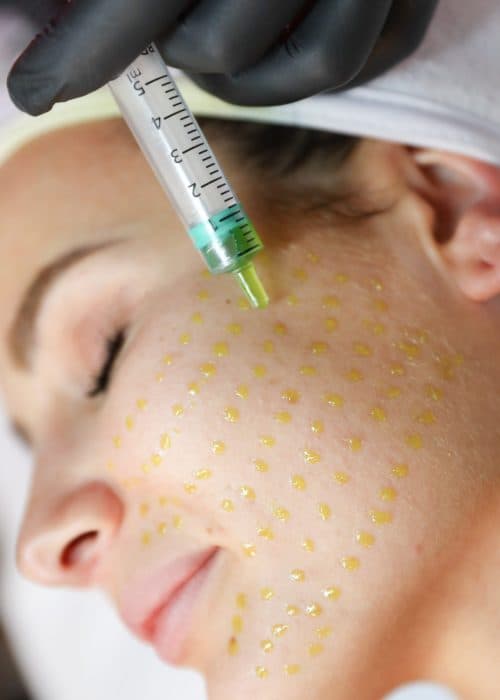
NAD+ injections deliver NAD+ via a quick subcutaneous injection just beneath the skin, where it is rapidly absorbed into the bloodstream. This route is chosen because NAD+ is a relatively large and fragile molecule that is not efficiently absorbed through oral supplementation. When taken by mouth, NAD+ is largely broken down in the digestive tract before it can reach the bloodstream in meaningful quantities. Subcutaneous injection bypasses the digestive system, delivering the coenzyme into tissue where it is absorbed into circulation and distributed to cells throughout the body, including the brain.
A typical NAD+ injection appointment at Rani Beauty Clinic takes approximately 10 to 15 minutes. Your clinician prepares the pharmaceutical-grade NAD+ solution at the appropriate concentration, cleans the injection site (typically the abdomen, upper arm, or thigh), and administers the injection using an ultra-fine needle. The injection itself takes only seconds and is well-tolerated by the vast majority of patients, with most describing just a brief pinch. You can learn more about our NAD+ injection program at /wellness/nad-injections.
There is no required downtime after the injection, and you can return to all normal activities immediately. Many patients find the convenience of a quick injection appointment far more practical than multi-hour IV sessions, making it easier to maintain a consistent NAD+ supplementation schedule.
Who Benefits from NAD+ Injections
NAD+ injections may be beneficial for a wide range of individuals, particularly those who are noticing the effects of aging on their energy levels, cognitive sharpness, and overall vitality. Common candidates include adults in their 40s, 50s, and beyond who are experiencing age-related fatigue, mental fog, decreased focus, or slower recovery from physical or mental exertion.
Athletes and high-performers sometimes seek NAD+ therapy to support their demanding lifestyles, as the cellular energy boost can complement training and recovery. Individuals undergoing significant stress, whether physical, emotional, or professional, may also benefit from the cellular support that NAD+ replenishment provides.
Patients with specific health concerns should discuss their interest in NAD+ therapy with a qualified physician. Dr. Landfield evaluates each patient's medical history, current health status, and wellness goals to determine whether NAD+ injections are an appropriate part of their overall health strategy. This personalized assessment ensures that the therapy is used in a way that is both safe and aligned with the patient's individual needs.
The Importance of Medical Supervision
Any form of injectable therapy should be administered under proper medical supervision. At Rani Beauty Clinic, all NAD+ injections are performed under the clinical oversight of Dr. Landfield, with trained medical staff following strict sterile injection protocols.
Dr. Landfield's background as a board-certified neurologist brings a unique level of expertise to NAD+ therapy specifically. His understanding of neurochemistry, cellular metabolism in the nervous system, and the pharmacology of cofactors and coenzymes allows for more informed clinical decision-making regarding dosing protocols and patient selection.
NAD+ injections are not a cure for any disease, and they are not a substitute for evidence-based medical treatment of diagnosed conditions. NAD+ supplementation is a wellness-oriented therapy that aims to support cellular health and function by replenishing a coenzyme that naturally declines with age. When administered responsibly, under proper medical supervision, and as part of a comprehensive approach to health and wellness, it can be a valuable component of an overall strategy for healthy aging.
Medical disclaimer: This content is educational and does not replace individualized medical advice, diagnosis, or treatment. Always consult a qualified medical professional before starting any treatment.