Dr. Alexander Landfield
Board-Certified Neurologist & Medical Director
One of the most common questions we receive at Rani Beauty Clinic in Renton, WA is when to start anti-aging treatments. The answer is more nuanced than a single age recommendation because starting points depend on individual genetics, lifestyle, skin condition, and personal goals. Here is our definitive framework for timing your anti-aging journey.
The universal starting point is prevention, and this should begin as early as the teenage years. Daily sunscreen use, gentle cleansing, and basic moisturizing form the foundation of skin health at any age. These habits are not treatments but they are the most powerful anti-aging tools that exist, and the earlier they become routine, the greater their cumulative impact.
Active anti-aging products like retinoids and vitamin C can be introduced in the early to mid-twenties. This is when collagen decline begins, even though it is not yet visible. Starting retinol at age twenty-three or twenty-four stimulates collagen production and cell turnover at a time when your skin responds most readily. The adjustment period is typically shorter for younger skin, and the long-term benefits are substantial.
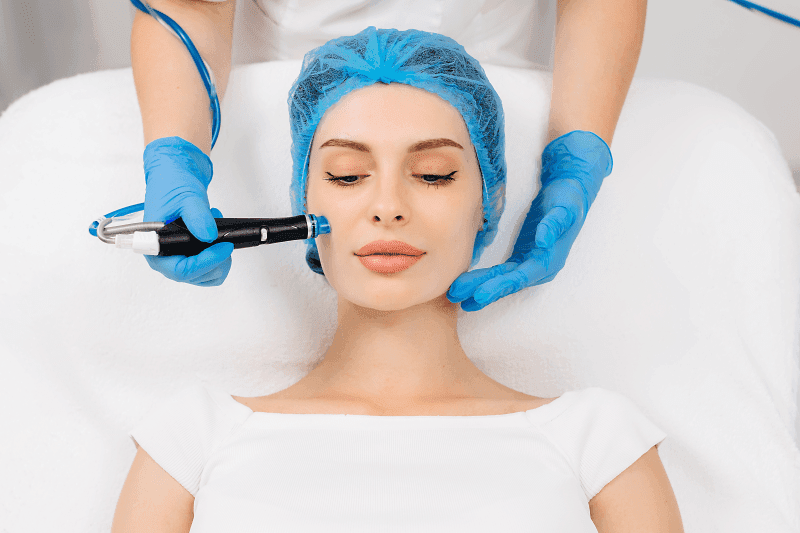
Professional treatments like HydraFacials can begin whenever a patient desires cleaner, more hydrated skin. There is no minimum age for this treatment, and it provides benefits at every stage. For patients in their twenties, monthly or bimonthly HydraFacials maintain the clear, glowing complexion that is easiest to preserve at this age.
Preventive Botox typically begins in the mid to late twenties for patients who notice dynamic lines forming during expression. If you furrow your brow repeatedly and notice a line beginning to linger after you relax, that is the optimal time to begin preventive Botox. Starting before the line becomes permanent requires fewer units and produces more lasting results than waiting until correction is needed.
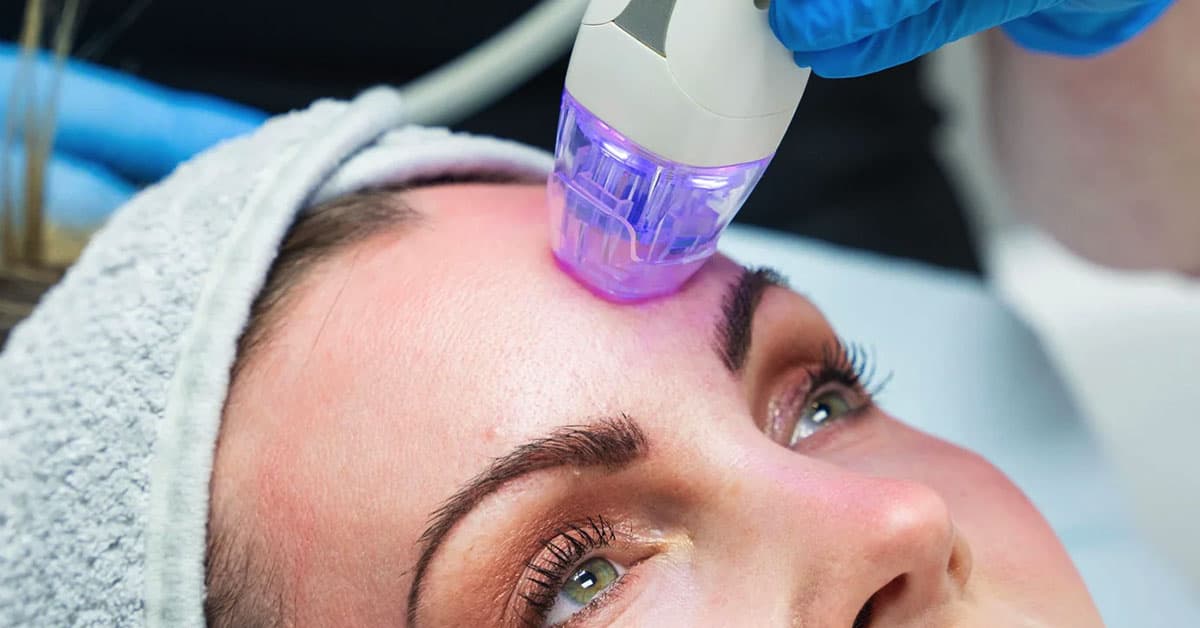
Collagen stimulation treatments like RF microneedling are most commonly started in the early to mid-thirties when collagen decline becomes clinically relevant. However, patients with premature aging from sun damage or genetic predisposition may benefit from starting earlier. Conversely, patients with excellent genetics and diligent prevention may not need these treatments until later.
Chemical peels can begin in the twenties for acne-related concerns or in the thirties for age-related exfoliation needs. The type and depth of peel is adjusted for the patient's age, skin condition, and tolerance. Younger skin may need only light peels, while mature skin benefits from medium-depth options.
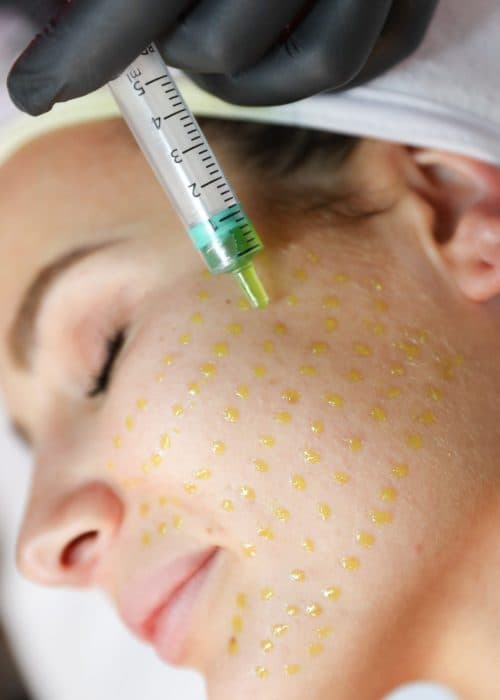
Dermal fillers typically enter the picture in the late thirties or forties when volume loss becomes apparent. Earlier use is sometimes appropriate for under-eye hollows or lip enhancement, which are structural concerns that can exist at any age. The key is using filler to restore lost volume or correct genuine deficits rather than augmenting features that do not need it.
The general principle is this: begin with prevention before you see changes, add maintenance when early signs appear, and incorporate correction as needed. This proactive approach costs less and produces better results than waiting for visible aging and then attempting to reverse it.
Individual factors that suggest starting earlier include significant sun exposure history, family history of premature aging, high-stress lifestyle, smoking history or exposure, and chronic dehydration or poor nutrition. Factors that may allow a later start include excellent genetics, consistent sun protection history, healthy lifestyle habits, and darker skin tones that provide some inherent UV protection.
The answer is always personal. A consultation at Rani Beauty Clinic provides a professional assessment of your current skin condition, risk factors, and optimal starting point for each category of treatment.
Medical disclaimer: This content is educational and does not replace individualized medical advice, diagnosis, or treatment. Always consult a qualified medical professional before starting any treatment.